
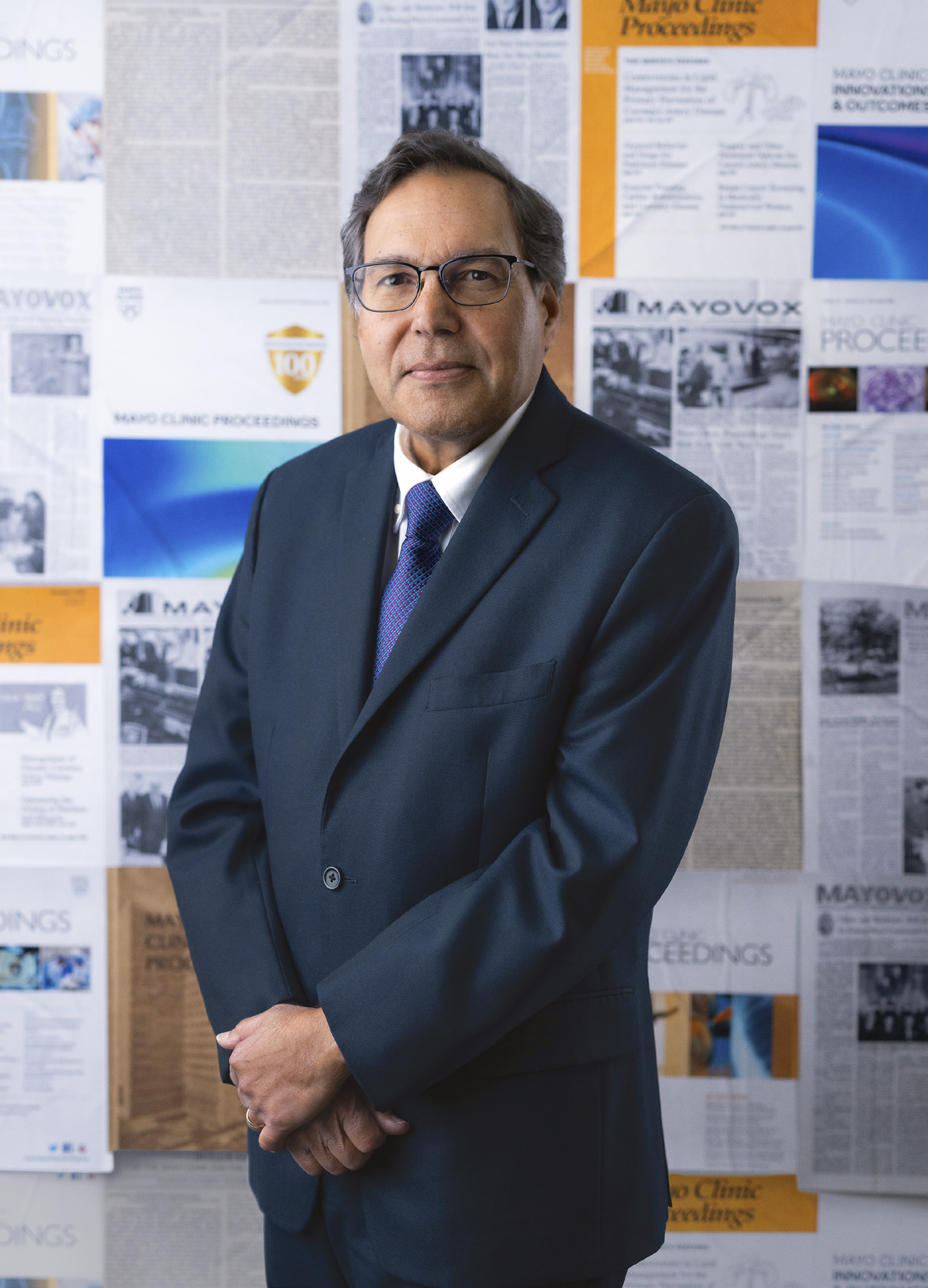
In 1975, when he was a medical student at the University of Edinburgh, Karl Nath, M.B., Ch.B. (NEPH ’96), now a consultant in the Division of Nephrology and Hypertension at Mayo Clinic in Minnesota and the Robert Joseph Patnode Professor of Nephrology, completed an elective in Trinidad, the island on which he was born and raised.
The hospital hosted a small library displaying just four medical journals. Dr. Nath remembers the journals distinctly: West Indian Medical Journal, The BMJ, The Lancet and — as the only North American representative — Mayo Clinic Proceedings.
“Here was this journal in a little library in the Port of Spain General Hospital that caught my attention,” Dr. Nath says.
Rafael Fonseca, M.D. (HEMO ’98), a consultant in the Division of Hematology and Medical Oncology, a member of the Mayo Clinic Board of Trustees and the Getz Family Cancer Professor at Mayo Clinic in Arizona, discovered the Proceedings while in medical school in Mexico.
“Someone said, ‘There’s this journal that is distributed for free in the United States called Mayo Clinic Proceedings. And guess what? It provides information that comes straight from Mayo Clinic,’” Dr. Fonseca says.
These are just two examples of the many Mayo Clinic physicians and physician-scientists who remember running across the journal during their medical training abroad, says Dr. Nath.
“It says volumes to me about what a copy of a journal does — it doesn’t just bring knowledge, it sends out a far-ranging message that there is a journal in a southern Minnesotan town that is supported by a top institution in the world,” Dr. Nath says. “And that journal touches so many people in various parts of the world.”
Today, Dr. Nath is the editor-in-chief of Mayo Clinic Proceedings and Dr. Fonseca is an editorial board member of the journal. And in April 2026, Mayo Clinic Proceedings will celebrate its centennial, commemorating 100 years of groundbreaking research, seminal publications and global impact.
“Mayo Clinic Proceedings’ 100th volume and upcoming centennial anniversary in April 2026 represent a fitting moment to reflect on the contributions and trajectory of one of healthcare’s influential clinical journals and one that has documented many of the innovations that have defined the course of modern medicine,” says Gianrico Farrugia, M.D. (I ’91, GI ’94), President and CEO of Mayo Clinic.
Follow the timeline to see how an internal staff publication grew to become such an influential medical journal worldwide.
1926
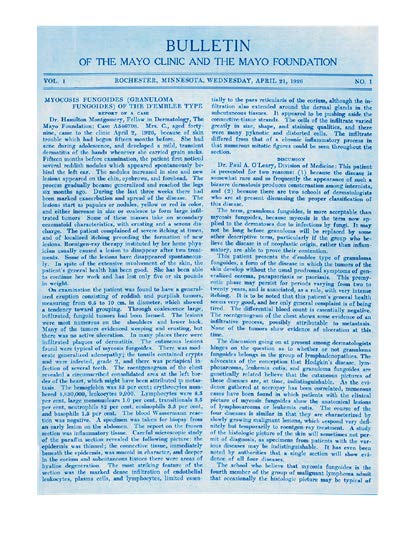
The first issue of Mayo Clinic’s in-house journal is published
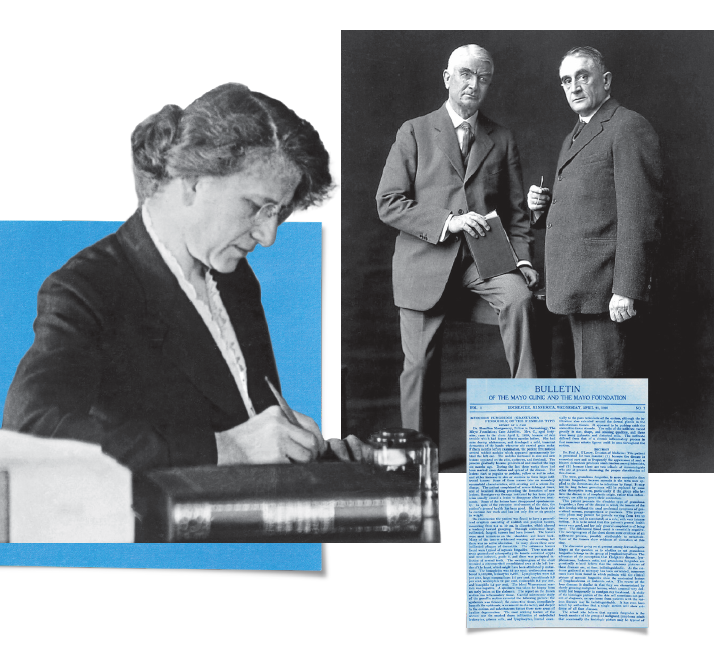
In the early 1900s, weekly meetings of Mayo Clinic staff are a prime chance for physicians and fellows to present papers and interesting case studies, share new discoveries in medical diagnosis and treatment, report on travels to other institutions and share best practices — with Drs. Will and Charlie Mayo often sitting in the front row.
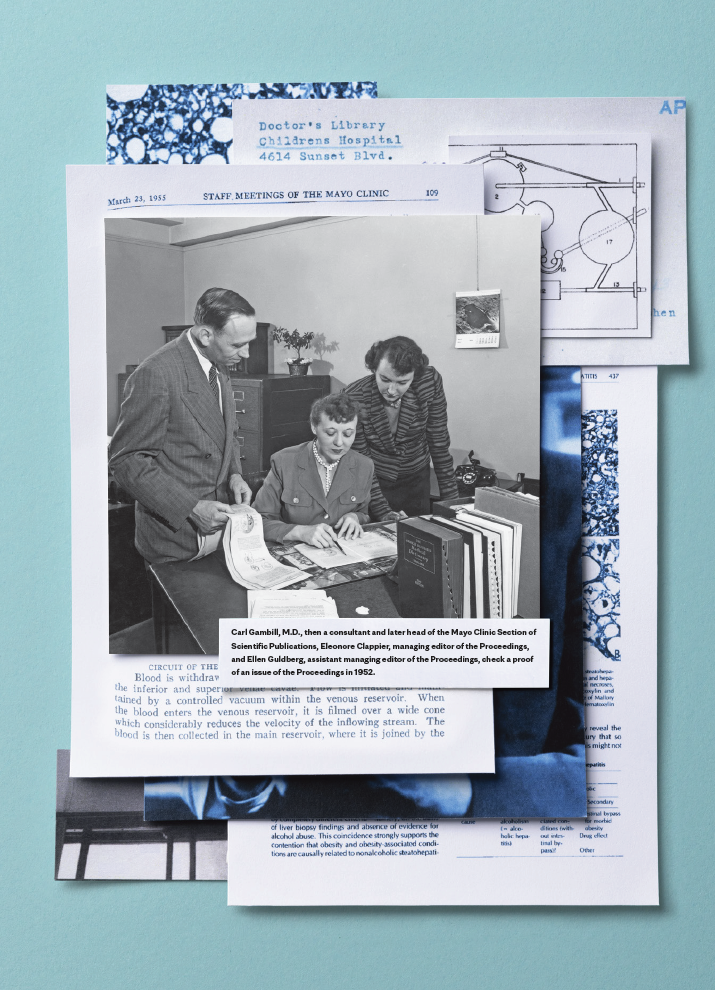
But a growing staff and increasing clinical demands make it harder to ensure attendance. So, with approval from the Mayo Clinic Board of Governors, Drs. Will and Charlie ask Maud Mellish Wilson, Mayo’s first institutional librarian, to summarize and publish the content of the weekly staff meetings.
The result is a four-page weekly publication named Bulletin of the Mayo Clinic and The Mayo Foundation, with Ms. Wilson as editor. The first issue is published on April 21, 1926. In its first year, 260 copies of the journal are printed. The journal’s name changes a few times, eventually settling on Proceedings of the Staff Meetings of the Mayo Clinic in 1927.
1942
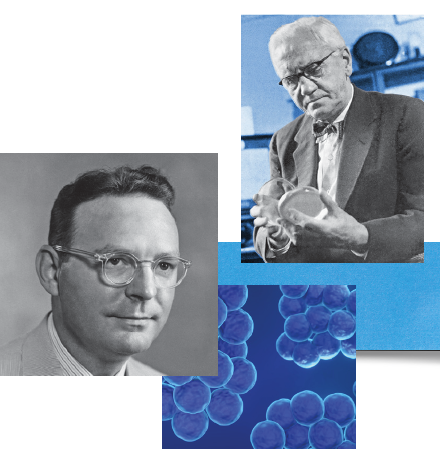
First U.S. report of treatment with systemic penicillin
Wallace Herrell, M.D. (I ’38, died 1992), and colleagues publish the first clinical use of systemic penicillin in the U.S. The patient has a serious staphylococcal bacteremia infection and is treated successfully with intravenous infusions of penicillin.
“While penicillin was first discovered in 1928 by Alexander Fleming, it would not have a significant impact on patient care until the mid-1940s, thanks in large part to pioneering studies published in Mayo Clinic Proceedings over time by a team of Mayo Clinic physicians led by Dr. Wallace Herrell.” – GIANRICO FARRUGIA, M.D.
1949
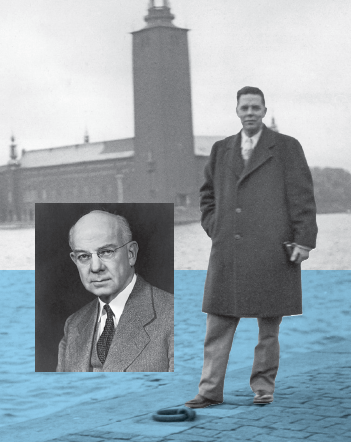
Clinical trial of cortisone leads to a Nobel Prize
After years of collaboration, Philip Hench, M.D. (I 1925, died 1965), Edward Kendall, Ph.D. (BIOC 1914, died 1972), and colleagues study the effect of cortisone in rheumatoid arthritis patients. After treatment, these patients experience dramatic symptom relief.
“Those who had found the following manoeuvres difficult or impossible often were able within a few days to do them much more easily or even ‘normally’: getting in or out of bed unassisted, rising from chairs or toilets, shaving, washing the hair or back of the neck, opening doors with one hand, wringing a wash cloth, lifting a cup or book with one hand, and climbing stairs.” – EXCERPT from “The Effect of a Hormone of the Adrenal Cortex and of Pituitary Adrenocorticotropic Hormone on Rheumatoid Arthritis: Preliminary report,” Mayo Clinic Proceedings, 1949
1955
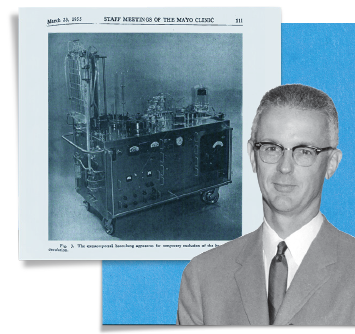
A new era in open heart surgery
Mayo Clinic cardiac surgeon John Kirklin, M.D. (S ’43, died 2004), and colleagues produce the first article on a series of open-heart surgeries using a mechanical pump-oxygenator. This breakthrough technology shows the feasibility of using cardiopulmonary bypass to perform open-heart surgery and address complex heart diseases.
“Now, 25 years later, as a result of the intense efforts of clinicians and investigators all over the world, the method is used quite safely and many times a day in hospitals in almost every country in the world.” – JOHN KIRKLIN, M.D., in “Open-Heart Surgery at the Mayo Clinic: The 25th Anniversary,” Mayo Clinic Proceedings, 1980
1962
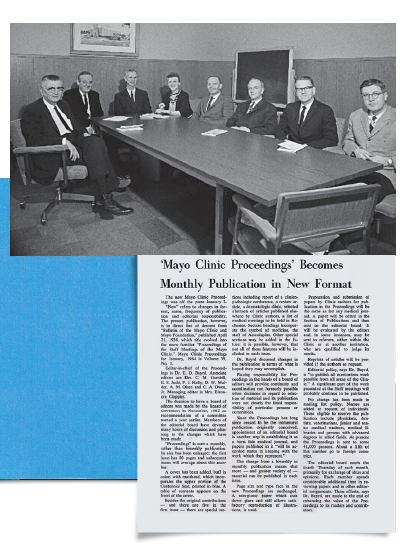
The journal adds a board of editors
The Mayo Clinic Board of Governors decides to instate a board of editors for the Proceedings, with a 1964 article in Mayovox, the Mayo Clinic newspaper, explaining: “Since the Proceedings has long since ceased to be the intramural publication originally conceived, appointment of an editorial board is another step in establishing it as a bona fide medical journal.”
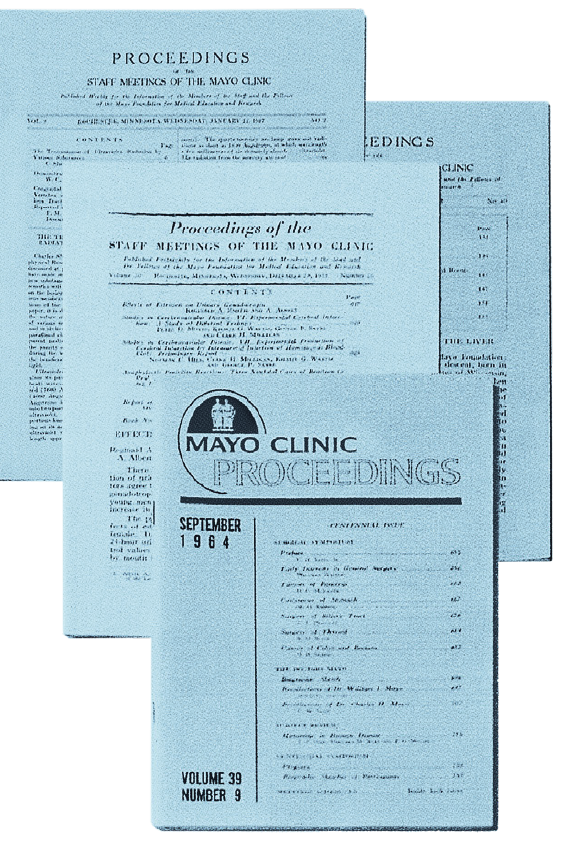
1964
Same journal, different name
The name of the journal is changed to Mayo Clinic Proceedings, because, as explained in a 1971 issue of Mayovox, “by that date — and to an even greater degree today — only a small proportion of the published material came from ‘meetings of the staff.’”
1975
A game-changing understanding of multiple myeloma
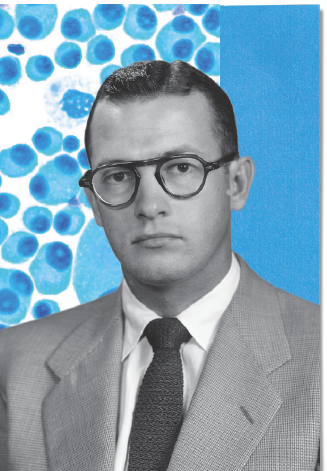
For decades, Robert Kyle, M.D. (I ’59), catalogs patient histories, archives blood samples and observes a vast number of people with plasma cell proliferative disorders at Mayo Clinic. His careful attention to multiple myeloma patients allows him to publish a seminal review of more than 800 patient cases in 1975.
“Generations of both clinicians and laboratory researchers have relied on this landmark article for understanding clinical manifestations and disease pathogenesis.” – KENNETH ANDERSON, M.D., director of the Jerome Lipper Multiple Myeloma Center at Dana-Farber Cancer Institute and the Kraft Family Professor of Medicine at Harvard Medical School, in “Multiple Myeloma: How Far Have We Come?” Mayo Clinic Proceedings, 2003
1980
The naming of a liver disease
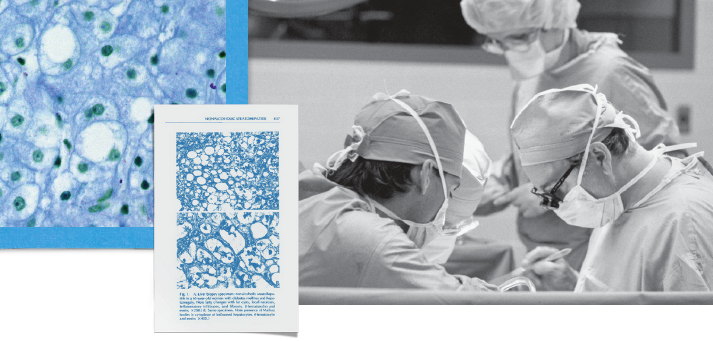
In the 1970s, it’s thought that certain fatty changes in the liver associated with lobular hepatitis are primarily caused by chronic alcohol use. So when doctors come across patients with these biopsy findings who state they don’t drink, this causes “clinicians to unduly persevere in their attempts to wrench from the patient an admission of excessive alcohol intake,” Jurgen Ludwig, M.D. (APTH ’65), et al. write in a 1980 Proceedings article.
Dr. Ludwig and his co-authors propose that there is a different disease at play in these patients, which they name nonalcoholic steatohepatitis, or NASH. The term NASH subsequently dominates the field, with more than 1,500 papers published annually using the term in the 2020s, until the disease is officially renamed metabolic dysfunction–associated steatohepatitis (MASH) in 2023.
“This paper embodies what is most important in an investigation of any type, clinical or scientific: You faithfully and accurately describe what you observe and find, irrespective of whether it is incongruent with the conventional view. The study described just 20 patients, but this factual representation of what was seen by clinicians is really the cornerstone of one of the most significant causes of liver dysfunction.” – KARL NATH, M.B., CH.B.
1992
External authors are welcomed
Submissions are opened to authors not affiliated with Mayo Clinic. Today, more than 80% of submissions are from non-Mayo authors.
2012
The Proceedings gets a new publisher
The Proceedings transitions to the esteemed academic medical publisher Elsevier in 2012, a partnership that is still going strong.
“Elsevier feels honored to have been the publishing partner for over a decade now. In close collaboration, we have embraced new opportunities, while honoring the mission of Mayo and addressing user needs of today, with an eye on the future.” – CARL SCHWARTZ, senior vice president, health and medical sciences at Elsevier
2017
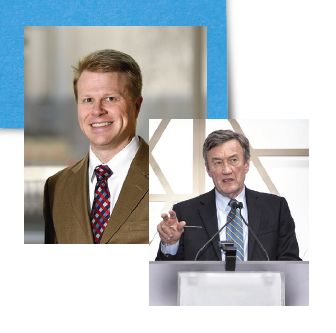
Battling physician burnout
Tait Shanafelt, M.D. (HEMO ’05), former director of Mayo Clinic’s Program on Physician Well-Being, and colleagues document the rise and costs of physician burnout for more than a decade. In 2017, Dr. Shanafelt and John Noseworthy, M.D. (N ’90), former president and CEO of Mayo Clinic, propose nine strategies that healthcare organizations can use to reverse the trend and limit risk to their patients and medical staff. The article is subsequently cited more than 2,000 times.
“Under the leadership of Dr. Tait Shanafelt, Mayo Clinic Proceedings has been an absolute pioneer in the field of physician burnout and well-being. The Proceedings was one of the major journals that focused and elucidated those issues.” – KARL NATH, M.B., CH.B.
2017
Expanding the Mayo Clinic Proceedings family
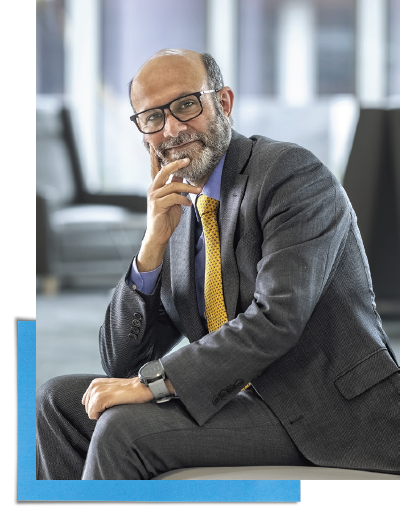
In 2017, Mayo Clinic publishes its first Proceedings expansion journal known as Mayo Clinic Proceedings: Innovations, Quality & Outcomes (MCP:IQ&O). The journal focuses on promoting human well-being by offering a trusted knowledge platform encompassing innovations, quality and outcomes research across the entire spectrum of the healthcare ecosystem.
In 2024, the American College of Lifestyle Medicine recognizes the journal for making significant contributions to medical education by focusing on the critical burden of chronic diseases and their impact on society. In 2025, the journal is accepted to the Web of Science and is slated to receive a Clarivate impact factor.
“The future of MCP:IQ&O is very bright. With unprecedented growth in medical innovation across the spectrum of research, clinical care and education, MCP:IQ&O will be introducing a section of ‘healthcare futurology’ that will serve as a platform for publishing cutting-edge and disruptive biomedical research.” – TAIMUR SHER, M.B.B.S., M.D. (HEMO ’11), Mayo Clinic hematologist and oncologist and editor-in-chief of MCP:IQ&O
2023
Another journal joins the Mayo Clinic Proceedings fold
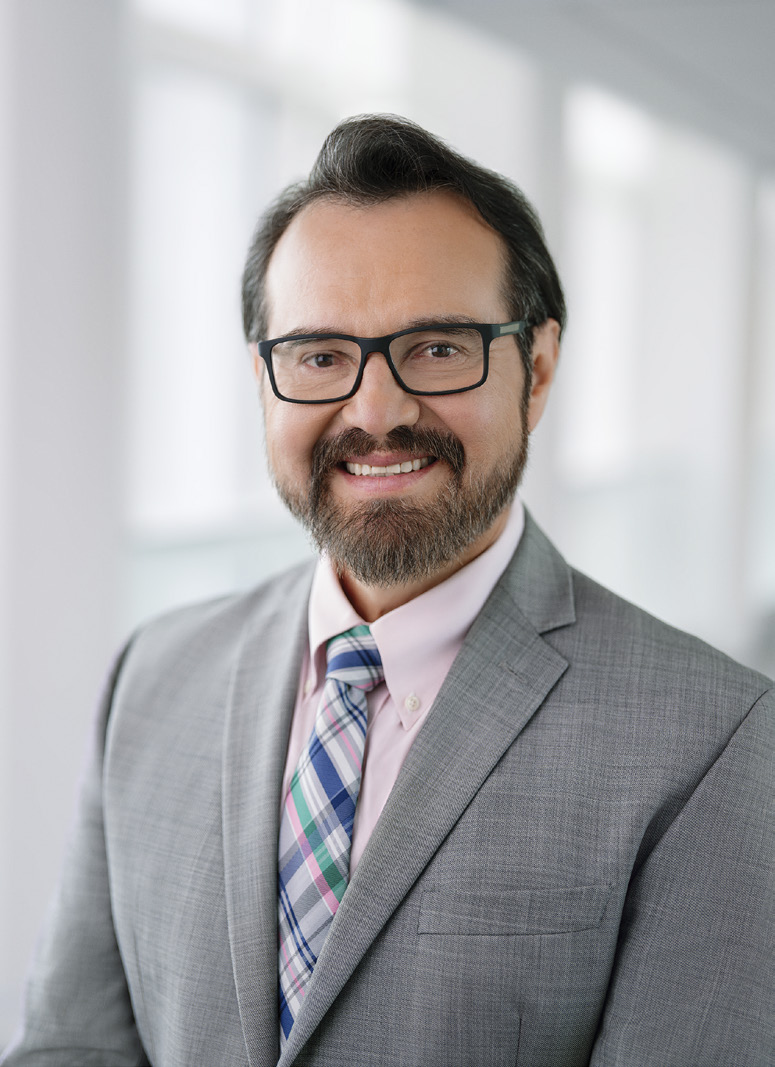
The Mayo Clinic Proceedings family grows again in 2023 with the launch of Mayo Clinic Proceedings: Digital Health, which specializes in “publishing real-world experiences, implementation trials, and pragmatic evidence related to digital health, artificial intelligence, wearables, virtual medicine, and other technologies and paradigms,” says editor-in-chief Francisco Lopez-Jimenez, M.D. (CV ’01).
The journal is downloaded more than 125,000 times in its first year and is on track to be downloaded 300,000 times by the end of 2025. It is also accepted to the Web of Science.
“It’s unusual for a new scientific journal to have an impact of this magnitude during its first few years. This is due in part to the fast growth of interest in digital health and artificial intelligence in healthcare. More importantly, it is also due to the reputation Mayo Clinic has built in this space, becoming an international beacon of rigorous development and implementation of digital health solutions.” – FRANCISCO LOPEZ-JIMENEZ, M.D.
2023
Illuminating the impact of menopause in the workplace
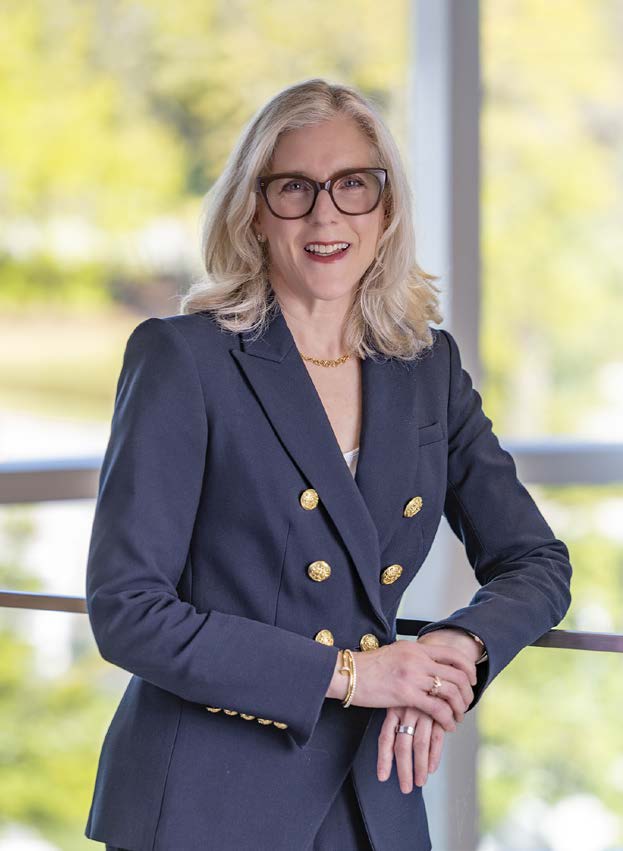
This study with first author Stephanie Faubion, M.D. (GIM ’96), surveys more than 4,000 women ages 45 to 60 about adverse work outcomes related to menopause symptoms. It finds that 11% of women report missing work in the last 12 months due to menopause symptoms and estimates the annual cost associated with lost work productivity to be $1.8 billion in the U.S. The study is widely featured in major news outlets including The New York Times, Time Magazine and CNN.
“The findings of this study highlight a critical need to improve the medical treatment provided to women with menopause symptoms and an opportunity to make the workplace environment more supportive for women going through this universal life stage.” – EXCERPT from “Impact of Menopause Symptoms in the Workplace,” Mayo Clinic Proceedings, 2023

Left to right: Aleksandra Kukla, M.D.; Ty Diwan, M.D., in surgery; Ty Diwan, M.D., and Niv Pencovici, M.D., Ph.D., perform surgery together
2024
Demonstrating the benefits of bariatric surgery for those with kidney failure
Mayo Clinic nephrologist Aleksandra Kukla, M.D. (NEPH ’16), and transplant surgeon Ty Diwan, M.D. (TRNS ’11), co-found the Kidney Transplant Metabolic Bariatric Program at Mayo Clinic in Minnesota to offer bariatric surgery to individuals on dialysis who don’t qualify for kidney transplant primarily due to a high body mass index (BMI).
Together with colleagues, the pair then publish a retrospective study in Mayo Clinic Proceedings of 104 patients with advanced chronic kidney disease and obesity showing that laparoscopic sleeve gastrectomy promotes relatively rapid weight loss, reduces obesity-related health issues and improves eligibility for kidney transplantation.
“They were able to show that you can safely do bariatric surgery to decrease BMI, such that it no longer prohibits a safe transplant in these individuals.” – KARL NATH, M.B., CH.B.
2024
Exome study offers blueprint for medical breakthroughs
Mayo Clinic’s largest decentralized study is a whole exome sequencing study known as Tapestry. In 2024, the Tapestry team, led by Konstantinos Lazaridis, M.D. (I ’96, GI ’00), publishes findings after analyzing DNA from more than 100,000 Mayo Clinic patients from diverse backgrounds.
They find that nearly 2% of participants carry at least one genetic variant that could significantly increase their risk for certain cancers or familial hypercholesterolemia. The majority of these participants have no known prior personal or family history of the conditions; their participation in the study allows them — and their family members — to undergo early screenings or even surgeries to prevent disease. Equally importantly, the data of exome sequencing are then used by more than 150 investigators across the enterprise to study genomic contributions to a plethora of diseases.
“This is a remarkable achievement because this extraordinarily large database of whole exome sequencing provides a wealth of genomic data that could be correlated with clinical characteristics and disease manifestations.” – KARL NATH, M.B., CH.B.
2024
Illuminating the many benefits of cardiorespiratory fitness
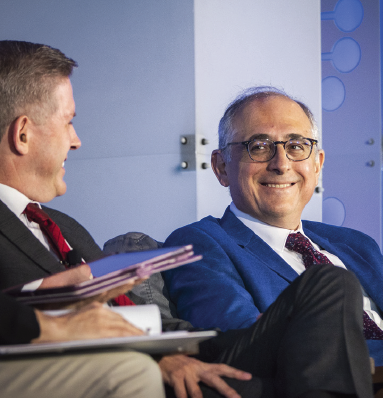
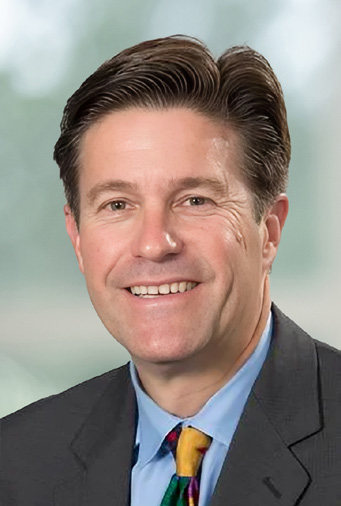
Mayo Clinic Proceedings has a strong history of seminal contributions to cardiorespiratory fitness research. Carl Lavie, M.D. (CV ’89), an esteemed cardiologist at Ochsner Medical Center in Louisiana, is an author of many of these papers, which demonstrate the importance of physical activity, exercise training, and cardiorespiratory fitness on the primary and secondary prevention of cardiovascular diseases (CVDs) and premature mortality.
A 2024 Proceedings study by Dr. Lavie and colleagues takes this a step further, showing that men with higher levels of cardiorespiratory fitness are at lower risk of death from several major non-CVD, non-cancer causes, including diabetes.
“Mayo Clinic Proceedings was one of the very first to spotlight that aspect of the broad benefit of cardiorespiratory fitness in diseases that, on the surface, had no seeming connection with cardiovascular diseases.” – KARL NATH, M.B., CH.B.
2024
A milestone in total laryngeal transplant
Mayo Clinic surgeon David Lott, M.D. (ENT ’11), performs the first known successful total larynx transplant in a patient with active cancer as part of a clinical trial, and Dr. Lott and his coauthors describe the procedure in Mayo Clinic Proceedings.
“This striking report exemplifies how organ transplantation has evolved into a highly multidisciplinary endeavor with relevance to virtually every area of human healthcare that seeks to overcome complex barriers to restoring health and well-being to a growing range of patients.” – MATTHEW GRIFFIN, M.B., B.CH., B.A.O. (I ’94, NEPH ’96), head of the Discipline (Department) of Medicine at the University of Galway School of Medicine, in “Mayo Clinic Proceedings and Progress in Solid Organ Transplantation,” Mayo Clinic Proceedings, 2025

What’s next for Mayo Clinic Proceedings?
Looking to the future of the Proceedings, Dr. Nath is open to many new directions.
“Knowledge moves in improbable ways,” Dr. Nath says. “We don’t know what the future is going to bring. I think the whole area of digital medicine is going to change the way we practice medicine and the way we disseminate knowledge.”
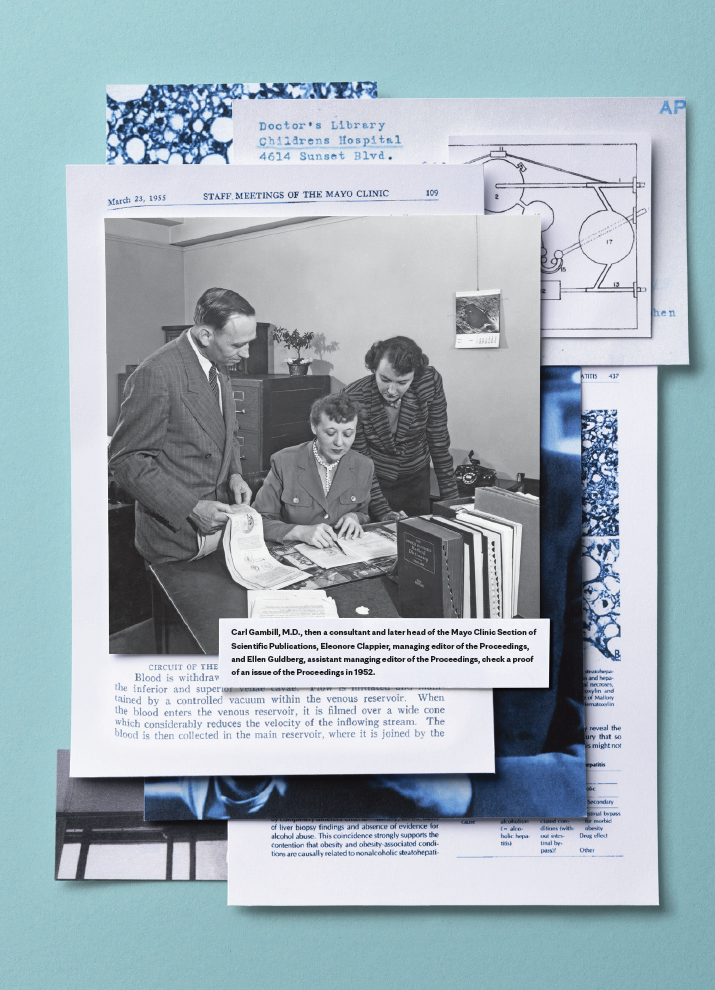
Dr. Nath is thankful for all the support the Proceedings has received along the way and gives special thanks to Proceedings managing editor Terry Jopke and assistant managing editors Kimberly Sankey and Margaret (Peg) Wentz.
Dr. Nath emphasizes that the success and longevity of the Proceedings continue to be critically dependent upon its authors, reviewers, editors, editorial board, the fundamental contributions of William Lanier Jr., M.D. (ANES ’84), and other previous editors-in-chief — and every one of its readers.
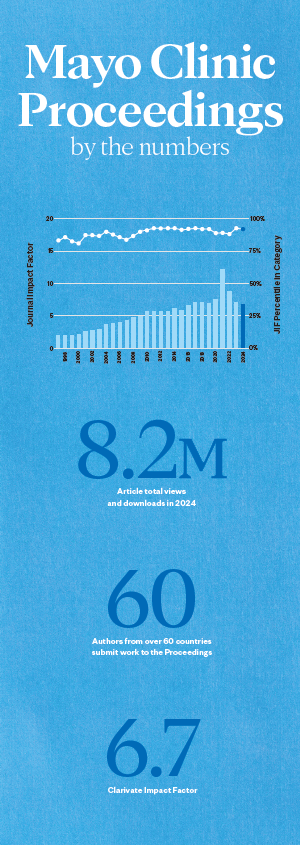
What makes Mayo Clinic Proceedings unique?
There are thousands of peer-reviewed, English-language academic medical journals. What makes Mayo Clinic Proceedings special?
Diversity of content. Each issue of the Proceedings includes multiple article types, including editorials, commentaries, rigorous original research, reviews, recurring features on pathologic diagnoses and more. This variety could “appeal to a very rigorous academician-investigator, yet it could also appeal to a resident in training,” Dr. Nath says.
Mayo Clinic research. “We live side by side with the No. 1 institution in the world,” Dr. Nath says. “We get articles from Mayo Clinic staff who are leaders in their fields, and we get extremely innovative findings from Mayo Clinic faculty. That for us is a remarkable bonus.”
But not only Mayo Clinic research. The Proceedings has come a long way from the in-house publication it once was, and it routinely publishes important papers from external authors. “It’s evolved as a journal. It’s not internal, it’s not self-serving. It’s advancing medicine,” says Fredric Meyer, M.D. (NS ’87), the Juanita Kious Waugh Executive Dean of Education of the Mayo Clinic College of Medicine and Science, dean of Mayo Clinic Alix School of Medicine and the Alfred Uihlein Family Professor of Neurologic Surgery.
Global reach. Even from its early days, the Proceedings has made its way around the world. “The Proceedings has a very large worldwide distribution and a huge readership base. That type of broad readership distribution means that it serves as a platform for the distribution of great medical knowledge,” Dr. Meyer says.
Clinical relevance. “Mayo Clinic Proceedings stands out among journals because it’s not only able to incorporate top-level science, but it does so in a way that usually provides clinical context as well,” says Dr. Fonseca.
This story appears in the latest issue of Mayo Clinic Alumni magazine. You can read or download a PDF of the issue here.
Mayo Clinic alumni are entitled to the print version of the quarterly magazine. If you’re not receiving the magazine, register or log in to your online MCAA profile to make sure your address is correctly entered. Or contact the Alumni Association at mayoalumni@mayo.edu or 507-284-2317 for help.
Photography Credits:
All historical images and documents: Mayo Clinic Archives
All still life photos, Karl Nath, M.B., Ch.B.: Tony Pagel
Sir Alexander Fleming, M.B.B.S.: Alamy
Staph bacteria: Adobe Stock
Rafael Fonseca, M.D.: Bill Phelps
Fredric Meyer, M.D.: Thomas Boggan
Multiple myeloma cells: Shutterstock
Macrovesicular steatosis: iStock
Tait Shanafelt, M.D.: Joseph Kane
John Noseworthy, M.D.: Daniel Hubert
Taimur Sher, M.B.B.S., M.D.: Paul Najlis
Francisco Lopez-Jimenez, M.D.: Peter Pallagi
Stephanie Faubion, M.D.: S. Wade Rambo
Aleksandra Kukla, M.D., Ty Diwan, M.D., Ty Diwan, M.D., And Niv Pencovici, M.D., Ph.D., in surgery: Matt Meyer
Konstantinos Lazaridis, M.D.: Johanna Heidorn
Carl Lavie, M.D.: Ochsner Health Photography
David Lott, M.D., Marty Kedian: Peter Pallagi