Vladimir Parpura, M.D., Ph.D., receives Distinguished Alumni Award
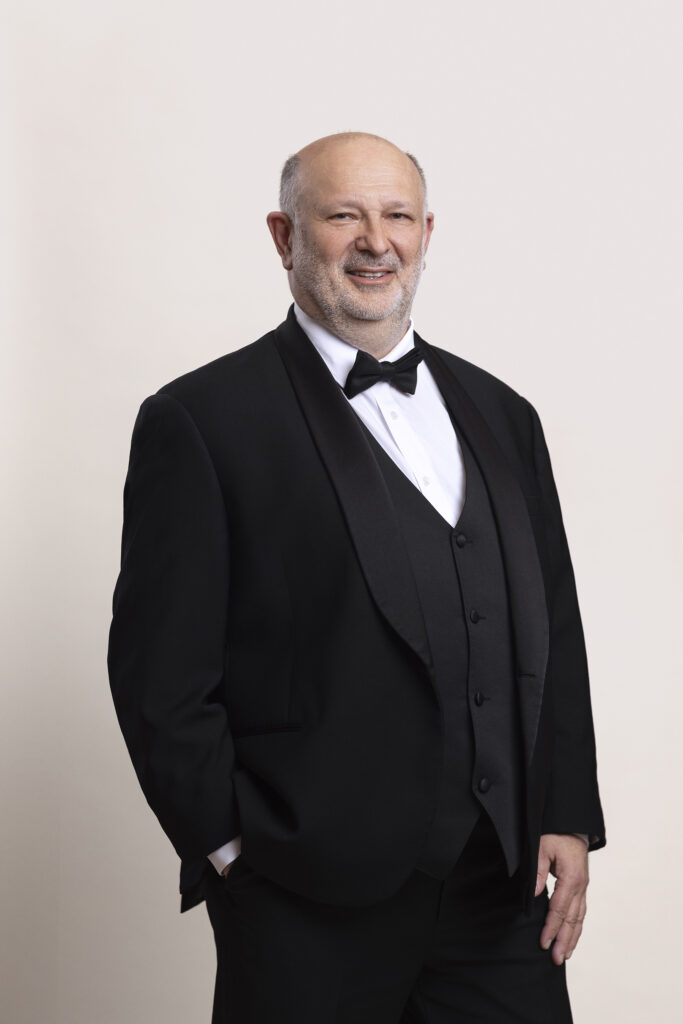
Distinguished professor
Zhejiang Chinese Medical University
Hangzhou, China
Fellowship: Physiology (research), Mayo Clinic School of Graduate Medical Education, Rochester, Minnesota
Internship: Rotating internship, Clinical Hospital Center, Split, Croatia
Medical school: University of Zagreb School of Medicine, Zagreb, Croatia
Postgraduate: Ph.D., neuroscience, Iowa State University, Ames, Iowa
Hometown: Split, Croatia
GLOBAL EXPERT IN GLIOTRANSMISSION
When Vladimir Parpura, M.D., Ph.D. (PHYS ’96), began his career in neuroscience, it was thought that astrocytes, a type of glial cell, did not exhibit functions such as excitability and regulated chemical messenger release — making them functionally subservient to neurons.
In the 1990s, Dr. Parpura showed that this assumption was incorrect; astrocytes were capable of releasing gliotransmitters and signaling to neurons. This discovery of gliotransmission, published in Nature, revolutionized the understanding of the role of astrocytes in information processing. The paradigm- shifting finding and Dr. Parpura’s subsequent work has had a remarkable impact on the fields of neuroscience and cell biology.
Dr. Parpura is a distinguished professor and director of the International Translational Neuroscience Research Institute at Zhejiang Chinese Medical University in Hangzhou, China. He has held tenured professorships at the University of California – Riverside, the University of Rijeka in Croatia and the University of Alabama at Birmingham.
On top of his discovery of gliotransmission, Dr. Parpura’s other notable research contributions include his definition of tripartite synapse and his illumination of the role of cellular vesicles and membrane proteins in astrocytes. His work carries important implications for fundamental life processes such as sleep, respiration, learning, memory, and gut motility and secretion.
In addition to basic science, Dr. Parpura has also advanced molecular technology. He initiated a new branch of neuroengineering by developing carbon nanotubes for tissue repair after traumatic brain and spinal cord injury. He has also contributed to the development of biorobots and biosensors, including a single molecule sensor that can rapidly detect the presence of toxins such as tetanus and botulism.
Dr. Parpura’s work has been cited more than 19,000 times, and he has delivered more than 260 lectures and invited seminars. He served as president of the American Society for Neurochemistry and has earned prestigious awards and memberships in academic institutions, such as his election as an American Association for the Advancement of Science fellow and the McNulty Civitan Scientist Award for research on developmental disabilities.
Dr. Parpura has remained actively involved in science education in his native Croatia, mentoring Croatian students and collaborating in research with the University of Rijeka.
The Mayo Clinic Distinguished Alumni Award was established in 1981 by the Mayo Clinic Board of Trustees to acknowledge and show appreciation for the exceptional contributions of Mayo alumni to the field of medicine, including medical practice, research, education, and administration. Individuals receiving this award are recognized nationally — and often internationally — in their fields. Read about the other 2025 recipients here.